

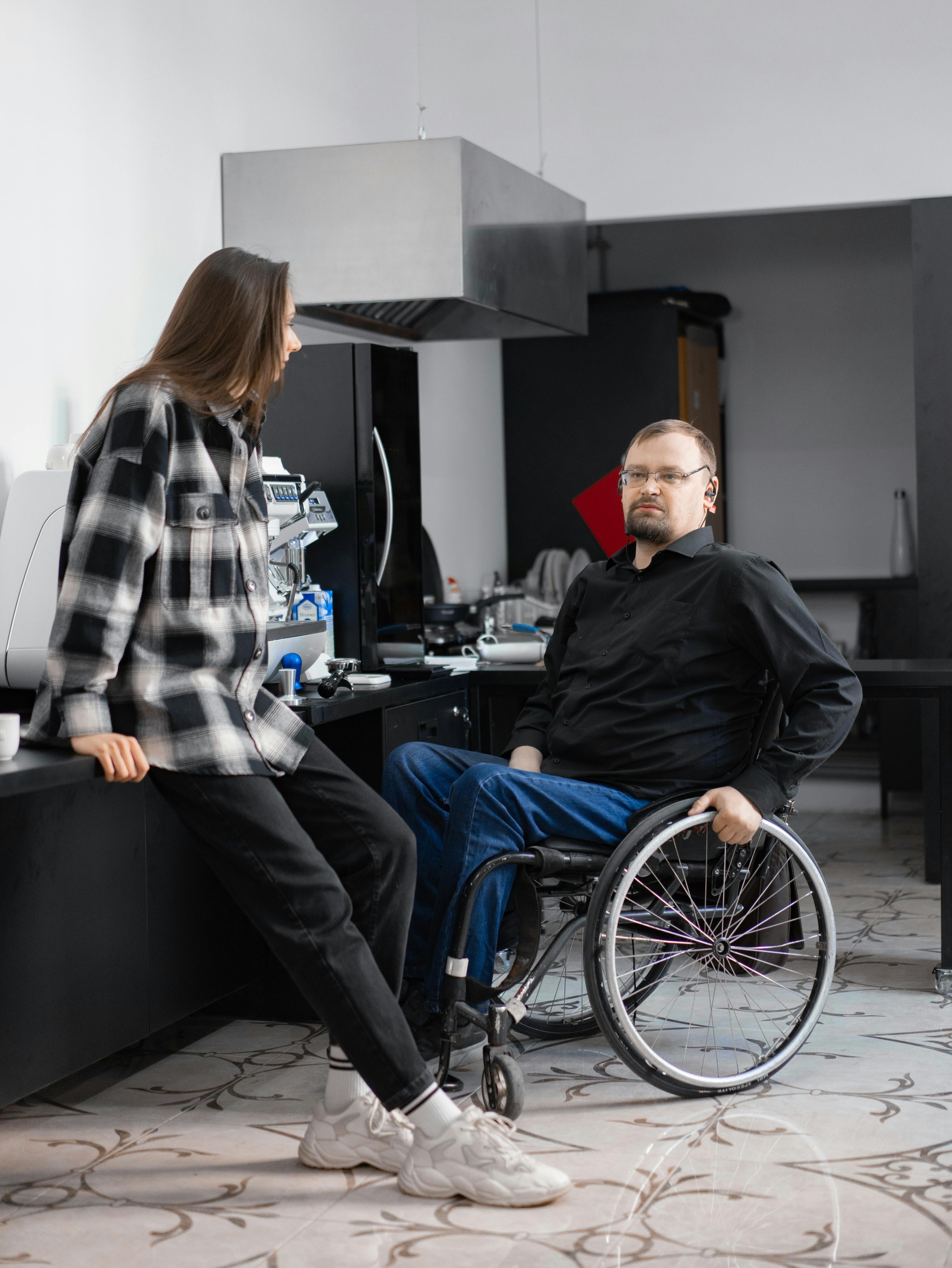
Creating an accessible home isn’t just about ramps and wider doorways, it’s about designing a space where everyone, regardless of age or ability, can move, live, and thrive comfortably. Whether you’re planning from scratch or remodeling an existing structure, accessibility should be approached as a lifestyle investment that anticipates future needs while enhancing everyday usability.
Key Insights
Start with a thorough needs assessment; think about present abilities and long-term comfort.
Universal design is your best friend: it benefits everyone, not just people with disabilities.
Budget early for accessibility; retrofitting later can be more expensive.
Choose durable, non-slip, and low-maintenance materials for longevity and safety.
Work with builders, architects, and occupational therapists familiar with accessibility codes and adaptive design.
Assess Needs and Set Your Foundation
Begin by considering how you or your family members live day-to-day. Do you need wheelchair access, better lighting, or easier bathroom mobility? Think about both current requirements and what aging in place might look like. Consulting an occupational therapist can help you map functional needs into spatial requirements.
Before diving into design, clarify your accessibility goals: mobility, safety, independence, or all three. This helps you prioritize features that align with your life, not just compliance checklists.
From Budgeting to Material Selection
Planning for accessibility should be built into your budget early. Costs can vary depending on the extent of adaptation and whether it’s a new build or renovation. Here’s a quick guide to budgeting priorities and materials that balance safety and design appeal:
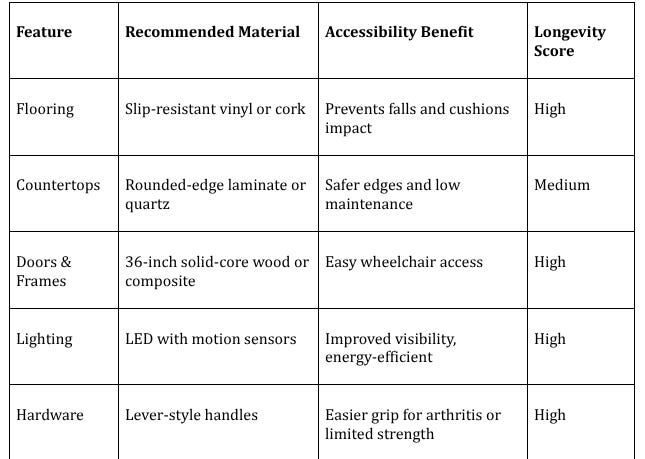
A professional designer with ADA or universal design experience can help you integrate these features seamlessly into your home aesthetic.
Work with the Right Professionals
Selecting the right team is crucial. Look for builders and architects with accessibility certifications or experience in universal design. They’ll understand how to integrate elements like no-step entries, widened hallways, and reinforced bathroom walls without compromising aesthetics.
A collaborative team—architect, builder, and accessibility consultant—ensures every decision supports comfort and independence. Clear communication is essential; provide your team with a written list of must-haves, from grab bars to smart lighting systems.
Smart Home Tech for Adaptive Living
Modern accessibility goes beyond physical structure. Adaptive technologies can make living easier for everyone. Smart thermostats, voice-activated lighting, and automated doors or window shades enable effortless control. Video doorbells with two-way communication improve both security and confidence.
These innovations are not just convenience upgrades, they extend independence, allowing homeowners to remain safely at home longer.
Insist on Builder Accountability
When constructing or remodeling, always ensure your contractor provides a comprehensive warranty. This protects you from unexpected defects and workmanship issues while ensuring the build meets lasting quality standards. A builder’s warranty typically covers materials, distribution systems, workmanship, and structural integrity.
Understanding the limitations of builder warranty coverage helps you hold your contractor accountable for long-term performance. It’s a safeguard that ensures quality, reinforces trust, and gives you confidence that your accessible home will remain safe and reliable for years to come.
Essential Accessibility Features to Include
Even small design choices can make a big difference in usability. Below is a list of core elements to consider when planning your space.
Zero-threshold entries and wide, low-slope ramps
Doorways at least 36 inches wide
Walk-in showers with bench seating
Lever-style handles and touch-activated faucets
Ample floor space for mobility aids
Adjustable counter and cabinet heights
Good lighting and color contrast between walls and floors
These aren’t just conveniences, they make your home adaptable, safe, and inclusive for years to come.
Your Build Planning Checklist
To stay organized, follow this simple sequence as you move from concept to completion.
Assess current and future mobility needs.
Establish your accessibility goals and design vision.
Consult professionals: architects, builders, and occupational therapists.
Create a realistic budget that includes accessibility upgrades.
Select safe, durable, and easy-to-maintain materials.
Review design plans for universal design compliance.
Confirm builder credentials and warranty details.
Install adaptive technologies that fit your lifestyle.
Conduct a final accessibility walk through before move-in.
Common Questions
1. What’s the difference between universal design and ADA compliance?
ADA compliance is legally required for public spaces, while universal design voluntarily incorporates accessibility for all users in private homes. It focuses on inclusivity and usability rather than minimum standards, making spaces enjoyable and intuitive for everyone.
2. Can accessibility upgrades be added to an existing home?
Absolutely. Many features — such as ramps, grab bars, and adjustable counters — can be retrofitted into existing spaces. Larger changes, like widening hallways or modifying bathrooms, are best handled during full remodels to save time and cost.
3. Do accessible homes cost significantly more to build?
Some features can add cost, but integrating accessibility from the start helps control expenses. Early planning prevents costly retrofits and ensures your design naturally supports long-term comfort. The result is better value, both in daily living and future resale.
4. How do I ensure my builder understands accessibility standards?
Hire professionals familiar with ADA and local accessibility codes. Ask for prior examples, references, or certifications in accessible design. Clear expectations and transparent communication help guarantee every feature functions as intended.
5. What technologies are worth prioritizing for accessibility?
Smart lighting, voice-controlled systems, and automated door openers are excellent options for both convenience and safety. They reduce physical strain, simplify control, and can adapt over time as mobility needs change.
6. Should I plan for aging in place even if I don’t need accessibility now?
Yes. Life changes, and forward planning ensures your home grows with you. Features like wider hallways, lever handles, and no-step entries make your space more versatile and comfortable for every stage of life.
Conclusion
Building an accessible home is both a thoughtful and practical act of foresight. When you design with accessibility in mind, you’re not just planning for potential challenges, you’re creating a space that empowers everyone to live fully and independently. By blending smart design, durable materials, and adaptive technology, your home becomes more than a dwelling, it becomes a lifelong investment in comfort and inclusion.
Additional Resources
20 Accessible Home Modifications | Mr. Handyman
Funding Your Access Built Home: A Guide to Affordable Accessible Design | Access Built
Want to make the world more accessible for those with invisible disabilities?
Follow the Dear Felicia blog today!
This Post was submitted by Perry Johanssen of Lifetrainer.org.